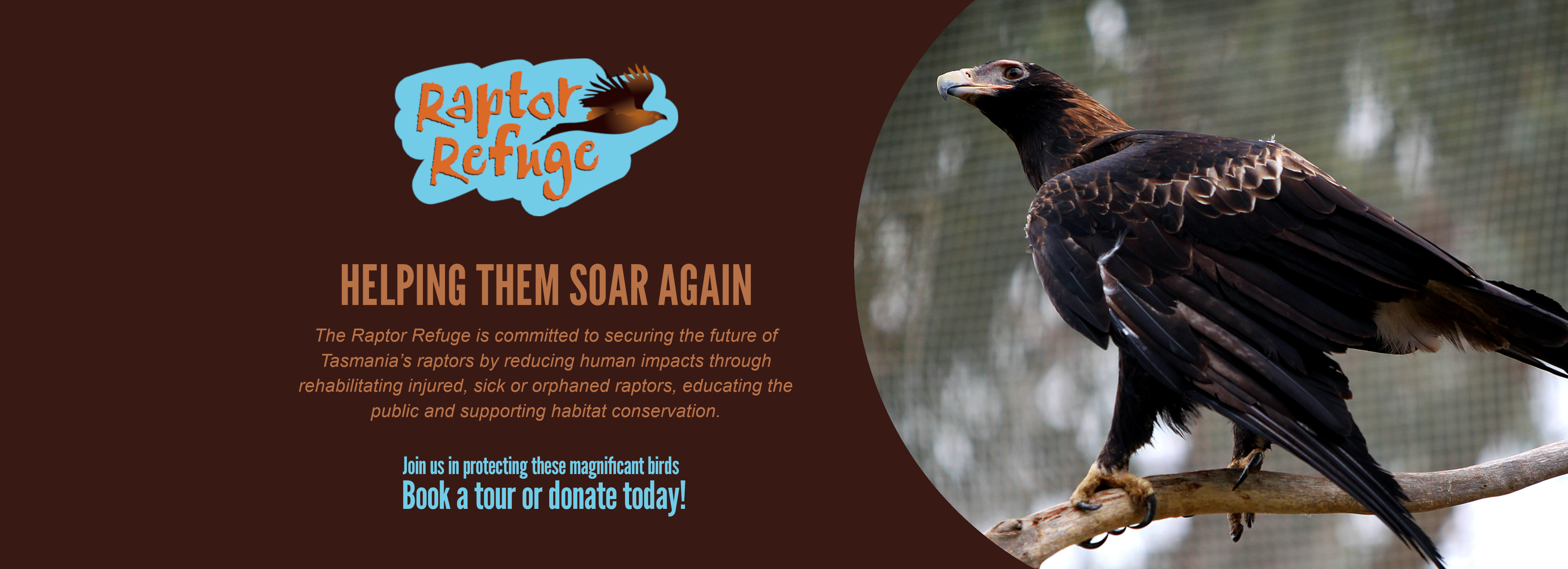
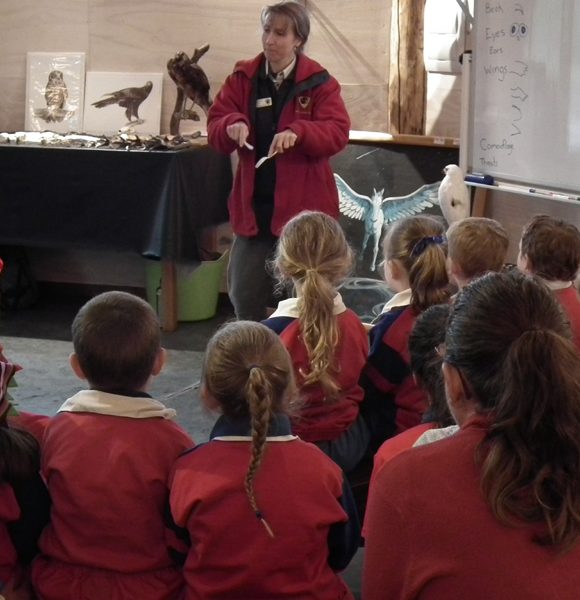
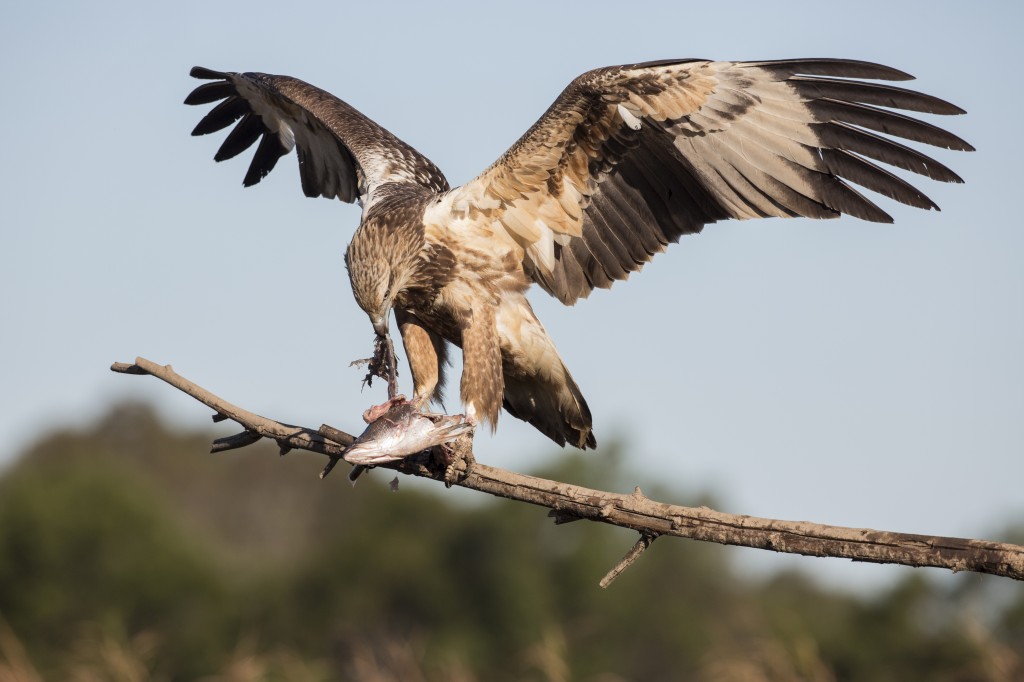
Book a tour and get up close to some amazing Tasmanian raptors, while exploring our huge flight aviaries and our Education Centre. Bookings are essential.
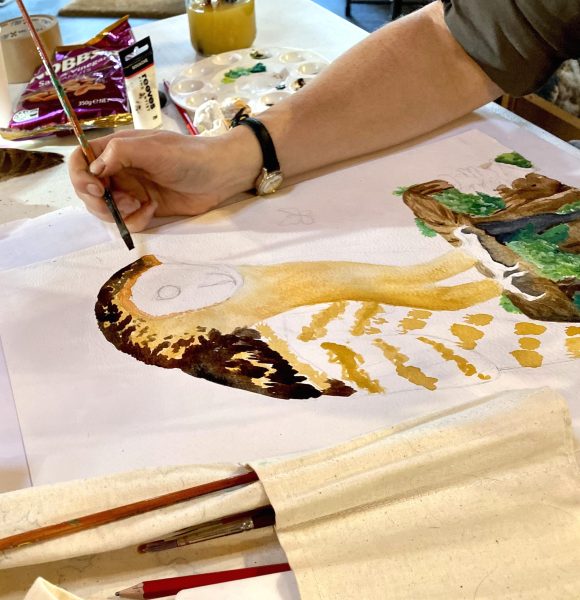
Join us for a fun filled evening in our tranquil Education Centre where our resident artists will guide you through painting an owl in watercolour. Our next session is on 27 April, and spots are limited!
Discover the powerful journey from rescue to release in our immersive raptor workshops—meet magnificent birds up close, explore our Education Centre, and learn about the life-saving work we do. Our next session is on 7 June, and spots are limited!
Our founder, Craig Webb, was awarded the Medal of the Order of Australia (OAM) in 2025 for his outstanding contribution to wildlife conservation.
This honour reflects what we’ve always known — Craig’s passion and tireless work with Tasmania’s birds of prey have made a real and lasting impact. We’re incredibly proud and grateful for the heart he brings to the Refuge every day.
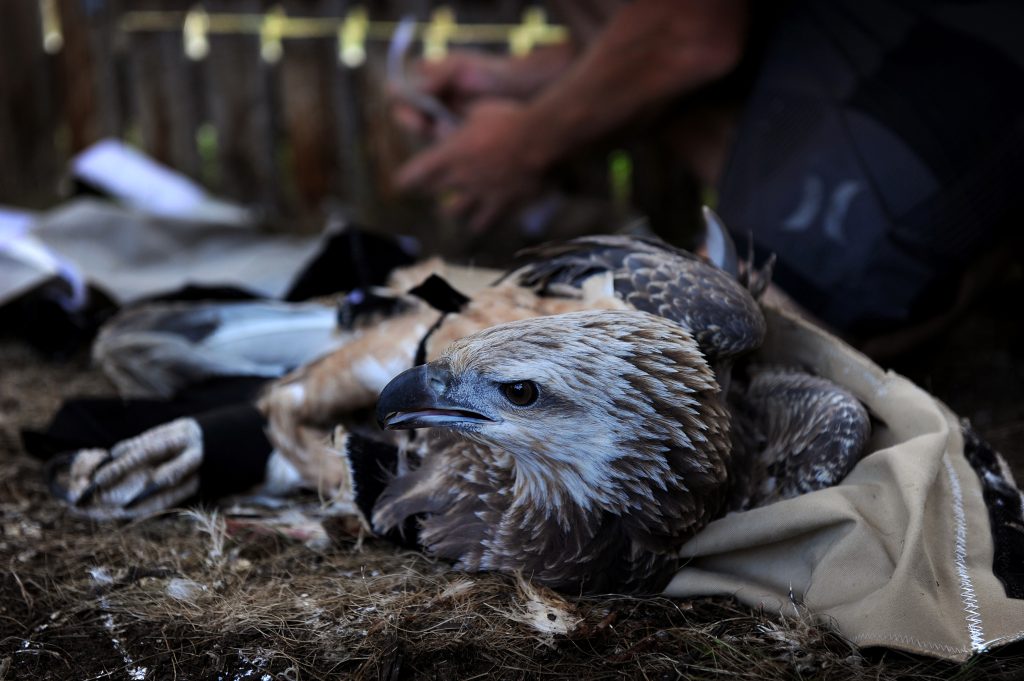
Every year, the Raptor Refuge responds to calls from across Tasmania to rescue injured and orphaned birds of prey. Our mission begins the moment someone picks up the phone — and continues with expert care, dedicated facilities, and hope for a second chance at freedom.
If you’ve found an injured, dead or distressed raptor, call our Raptor Hotline. Our team is ready to help! If you’d like a free hotline sticker please email us at info@raptorrefuge.com.au
Make a Donation
Your donation helps us rescue and rehabilitate injured birds of prey, and supports vital conservation and education efforts. We receive no government funding – everything we do is made possible by the generosity of people like you.
Every donation, big or small, goes directly toward the care of these magnificent birds. All donations are tax-deductible.
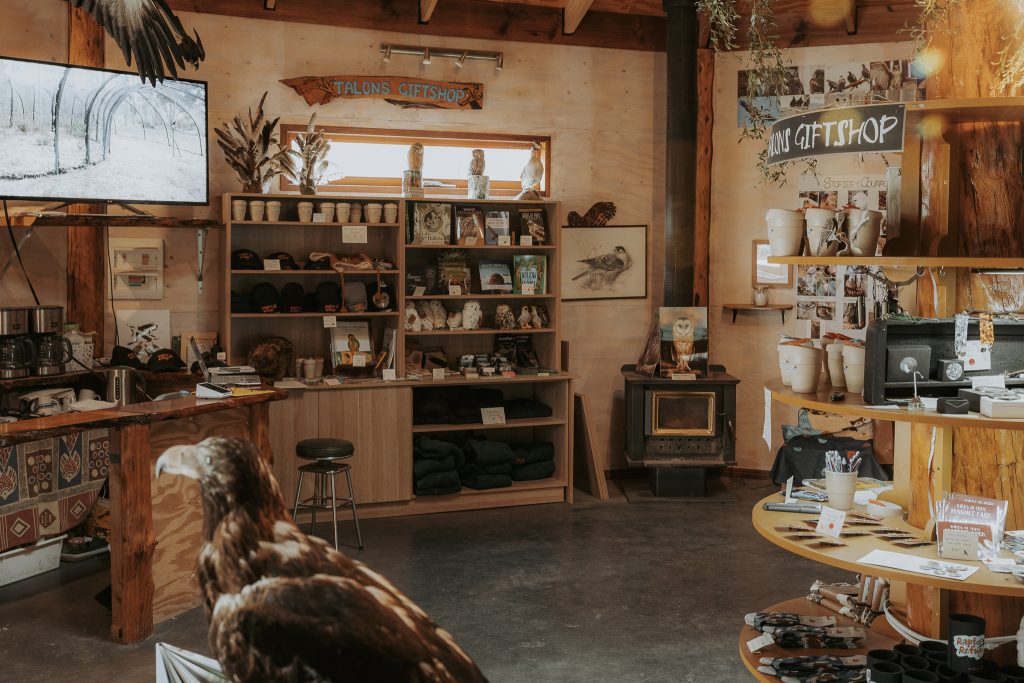
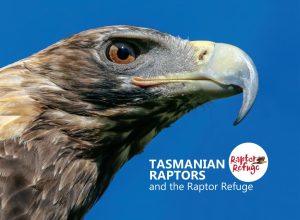
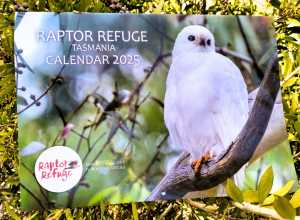
Every purchase from our gift shop helps support the rehabilitation and conservation of Tasmania’s raptors. Explore our range of unique gifts, books, calendars, and more—perfect for wildlife lovers and a great way to make a difference.
The Raptor Refuge is a not-for-profit organisation primarily funded by member contributions, donations and bequests. Join our passionate community of Raptor Lovers who support the protection and conservation of threatened species in Tasmania.
Tasmania is home to 12 species of birds of prey, including the endangered Wedge-tailed Eagle and Tasmanian Masked Owl. Some are common, while others are rare or under threat. Learn about these remarkable birds and the challenges they face in the wild.
We’re incredibly grateful to Mures for their generous support of the Raptor Refuge! When you visit their Lower Deck, scan the QR code to book a tour and enjoy 20% off in our gift shop. Plus, all refuge visitors receive a Mures drinks card for a complimentary drink with any meal.